
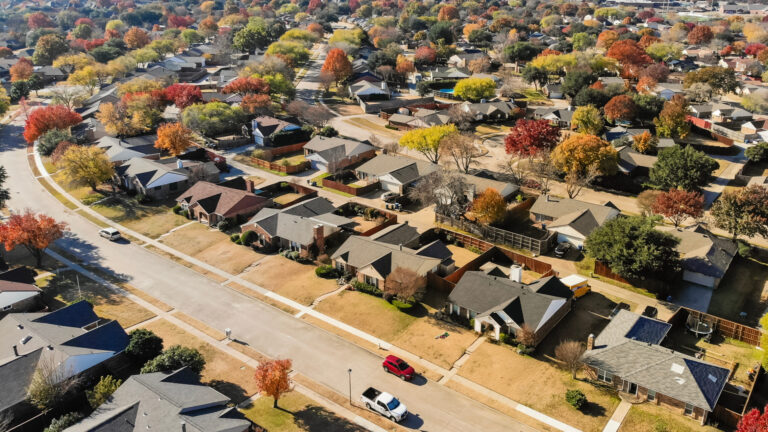
Most conversations about investor activity in residential neighborhoods start from a place of concern.
The worry is understandable. When a home on a familiar street changes hands to a buyer whose name is an LLC, it can feel like the character of the block is shifting. That shift happens in ways that are hard to articulate and harder to reverse. The fear is that the home becomes a revenue source rather than a home. Maintained at minimum, managed from a distance, indifferent to the neighbors around it.
That outcome exists. Poorly managed properties are real, and they do real harm to the blocks they sit on.
But it isn’t the only outcome. And in many cases, it isn’t even the common one. What actually happens to a neighborhood when an investor buys an older or distressed home and brings it back to functional condition is a more complicated story. For many communities, a better one than the alternative.
The Condition the Home Was In Before
To understand what investor renovation does to a neighborhood, it helps to start with what the home looked like before the sale.
The properties investors typically acquire aren’t the homes on the block that are well-maintained and move-in ready. Those homes sell to retail buyers at retail prices. The homes that end up in investor transactions are usually the ones that have been struggling for years. Deferred maintenance that compounded, systems that haven’t been replaced, exteriors that haven’t been touched since the previous decade.
In some cases, the home has been vacant. For others, it’s been occupied by someone who couldn’t afford the repairs that were accumulating. In either case, the result is a property that pulls at the visual fabric of the neighborhood. It’s a reminder that something isn’t right on that particular lot.
Neighbors notice. Buyers considering the block notice. Appraisers factor it into their work. The condition of a single distressed property doesn’t crater surrounding values, but it does exert a quiet downward drag that compounds over time.
What the Renovation Actually Looks Like
When an investor acquires a distressed property, the first phase is assessment. What does the home actually need to be functional, safe, and appropriate for its next use — whether that’s a rental tenant or an eventual retail buyer?
The work that follows varies by property, but it tends to be more comprehensive than what a typical seller prepares before listing. Roofs that have been leaking get replaced rather than patched. HVAC systems that have been struggling get upgraded rather than serviced one more time. Foundation issues that have been watched and ignored get addressed. Electrical panels that haven’t been touched since the house was built get updated.
Cosmetically, the transformation is visible from the street. Fresh exterior paint. New windows. Landscaping brought back from neglect. In many cases, a front door that actually fits the frame again.
None of this is done out of sentiment for the neighborhood. It’s done because the investor’s return depends on the property being in good condition. But the mechanism matters less than the outcome — and the outcome is a home that looks and functions like it belongs on the block.
The Effect on Surrounding Properties
There’s a straightforward way to think about what a renovated property does to neighboring values: it improves the comparables.
Appraisers and agents use recent sales of comparable properties to establish values in a neighborhood. When a distressed home that has been quietly dragging down those comparables gets renovated and returns to the market — whether as a rental at market rate or as a renovated resale — the updated condition changes the picture. The new baseline for that property is higher. The surrounding homes benefit from having a stronger comparable in their immediate area.
This is one of the underappreciated mechanisms by which thoughtful investor renovation can contribute to neighborhood stability rather than undermining it. A block with one well-maintained investor-owned home is in better shape than a block with one neglected, deteriorating one — regardless of who holds the title.
Well-managed investor-owned rentals tend to blend in with owner-occupied homes in ways that matter at the neighborhood level. The grass gets cut. The trash is managed. The exterior is maintained. Tenants who are paying market rent for a single-family home in a neighborhood they chose have every incentive to be good neighbors — they’re there because they wanted to be there, and they’re competing for a home that came with a yard and a street worth maintaining.
The Question of Stability
One concern that comes up frequently is whether investor-owned rentals introduce instability — tenants who cycle through quickly, leaving behind wear and uncertainty.
The data on single-family rental tenancy tells a more stable story than the concern suggests. Tenants in single-family homes tend to stay longer than apartment renters, in part because moving a household with children out of a school district is a significant disruption that most families avoid if they can. Long-term tenancy benefits the investor, who avoids turnover costs, and it benefits the neighborhood, which gets continuity rather than churn.
The investors most likely to achieve that stability are the ones who maintain properties well and treat tenants fairly — not because of altruism, but because a reliable long-term tenant is genuinely more valuable than a cycle of shorter ones. That economic alignment between investor interest and neighborhood stability is one of the underappreciated features of the single-family rental model.
What Doesn’t Get Fixed
Being accurate about this requires acknowledging what investor home renovation doesn’t solve for a neighborhood.
A well-renovated home doesn’t replace community. The neighbor who spent thirty years in that house knew the people on the block, attended the neighborhood association meetings, and remembered names. A tenant, however responsible, starts fresh. That continuity has value that a coat of paint doesn’t restore.
Concentrated investor ownership in a single block or neighborhood can change its character over time in ways that residents reasonably push back on. The concern about institutional landlords in particular — large-scale entities that own hundreds or thousands of homes in the same area — is different from the concern about a single property changing hands, and it’s a legitimate one.
What investor home renovation does well for a neighborhood is address the physical condition of individual properties that have fallen behind. What it doesn’t do is replace the social fabric that owner-occupied neighborhoods build over generations.
The Practical Picture
In most neighborhoods, the realistic alternative to an investor buying a distressed property isn’t a young family lovingly restoring it. It’s the property sitting longer, deteriorating further, and eventually reaching a state where even motivated buyers won’t engage with it.
Investor home renovation doesn’t solve every problem a neighborhood faces. It solves the specific problem of homes that have fallen behind the standard of the block. It does so on a timeline and at a cost that retail buyers typically can’t match.
The renovated home that returns to use, whether occupied by a tenant or eventually sold to a new owner, contributes something to the block that the distressed version of that home was slowly taking away.
That’s not a perfect outcome. But in neighborhoods where the alternative is continued deterioration, it’s a meaningful one.