
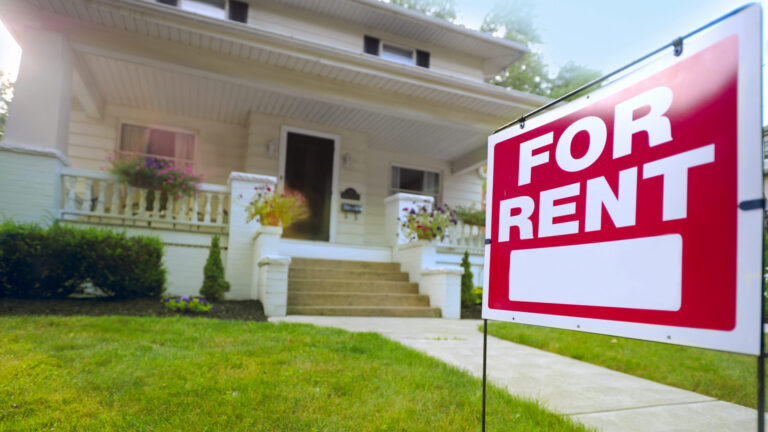
What comes to mind when you think of an investor renovating a home?
Hardwood floors throughout. Fresh paint on the walls. A bright, shiny new kitchen. Everything updated, cleaned up, and totally different than the place that was there when they bought it a few months ago.
The thought isn’t wrong, but there’s much more to the story. There are many paths a renovation takes depending on who the end user is.
These are two very different renovation strategies with different goals and different budgets.
Knowing how and why they differ can change how you see investor renovations going forward.
Starting from Square One
Investors begin with the same process when they purchase a home.
Walk through the property. Take stock of what they see. Identify what needs to be done to improve it.
What happens after that depends on what the investor plans to do with the home. Are they going to rent it out? Or will they renovate and sell it?
You’d be surprised how much that one question determines everything.
What a Rental Property Renovation Looks Like
Preparing a home for renters changes the priorities within a renovation.
Why? Because you aren’t staging the home to appeal to a random buyer browsing listings on a Saturday afternoon.
You’re preparing the home to survive years of tenants walking all over it. Structural repairs still need to be made, and updated appliances still go in the kitchen. Cosmetic finish work? Not so much.
Take flooring as an example. You may see the same flooring materials in a rental property as you would in a property flipped for retail sale. But the motivating factor is different for each.
Someone renovating for resale might choose luxury vinyl plank or hardwood because it looks nice. Someone renovating for a rental property might choose that same flooring material…but only because it can stand up to toddlers, cats, dogs, and every combination of the three landing on it at full force.
Renters aren’t looking for showroom perfect finishes. They just want it to work. Kitchens and baths are renovated with that same philosophy in mind. Functional, clean, and updated? Yes. Floor-to-ceiling cabinets full of granite and crystal? Probably not.
Likewise with mechanicals. HVAC, plumbing, electrical; these things need to work regardless of who lives in the home. But during a rental renovation, there’s far greater incentive to fix what’s broken rather than pass those problems onto a tenant. Fixing them after the fact can be a nightmare.
Think of rental renovations this way. Just because they don’t always look like the overhaul you see in retail flips doesn’t mean they aren’t being done correctly. They’re just being done with a different objective in mind.
What Prepping For Sale Looks Like
Now let’s flip that logic on its head. What happens when renovating a property to sell?
Purchasing a home is an emotional experience. People spend months scraping together every last dollar they need to qualify for a mortgage, so there are higher stakes in first impressions than tenants being screened by a landlord.
When buyers are looking at homes, they’re picking out paint colors they love and imagining where they’ll hang their holiday portraits. If a home is going to appeal to those emotions, and score a sale, it has to look the part.
That starts with cosmetic details. Paint color is king during these renovations. The kitchen matters greatly. So does the master bathroom. Fencing, landscaping, and front door colors are evaluated because they set the tone for someone who hasn’t even stepped inside yet.
Renovations with resale in mind aren’t neglecting the “workings” of the home either. They’re just as likely to replace failing systems. The difference is that cosmetic updates take on more weight during these projects.
Again, don’t mistake thorough for extravagant. Most investors won’t blow a budget on updates that aren’t going to be noticed or justify themselves at closing. But there’s a bit more legroom during retail renovations because there needs to be. The investor needs to sell that home.
Why Does It Matter?
So what? Who cares if investors renovate homes differently based on their end goal?
Simple. The difference in these renovations can tell you a lot about what an investor will do with the home once they buy it…and how that impacts you.
Far too often, people see an investor purchase a local home and assume the absolute worst. Oh great, here comes another flip that’s going to raise housing prices in this neighborhood.
But that’s not always the case. Rental property renovations are just as common as those flipping homes. These are properties that were likely to struggle to find a buyer regardless. Updating the property and finding a reliable tenant simply makes more financial sense.
And while these investors don’t always plan on living nearby to keep a close eye on things, they do plan on owning that home for years. They need to. Rental income has to pay those bills. That changes their approach from trying to cram as many updates in before flipping as they can to steady improvements that make the property a good long-term investment.
And that ultimately benefits you whether you own a home or rent. From vacant to occupied. From rundown to restored. Everyone wins.
Flip Flips
Your friendly neighborhood flip isn’t always limited to one renovation or the other, either.
Properties that begin life as rentals sometimes become retail sales years later. When that does occur, it’s not unheard of for the investor to drop another few thousand dollars on the place to make cosmetic updates before listing.
That rental kitchen with its spotty ceramic countertops and worn-out dishwasher? They might upgrade those to something nicer before listing.
Some investors take their time selling, using rental properties as another source of income until the market heats up. When that happens, you could technically argue that home went through two separate renovations while it sat in their portfolio.
First, it got gutted down to bones and made livable for tenants. Then, once it was time to sell, it got another overhaul to bring it up to retail standards.
Easy way to tell the difference between the two? If they renovated the home with resale in mind, it’s probably in better overall condition than it would have been if it was flipped right off the bat. Layer those updates one-by-one over a period of years and you’ll start to see your home improve.
You Can’t Always See It
When driving down the street, sometimes it’s hard to tell which type of renovation the home just went through.
Paint is on the walls, curtains are on the windows, and the yard has been cleaned up. From the outside it’s hard to tell before the sign goes up.
Interior spaces tell a different story, though. Every investor renovation starts with an end goal in mind. Whether it’s spruced up for resale or finished for durability for prospective tenants, these homes were renovated with purpose.
They were just renovated for different purposes.